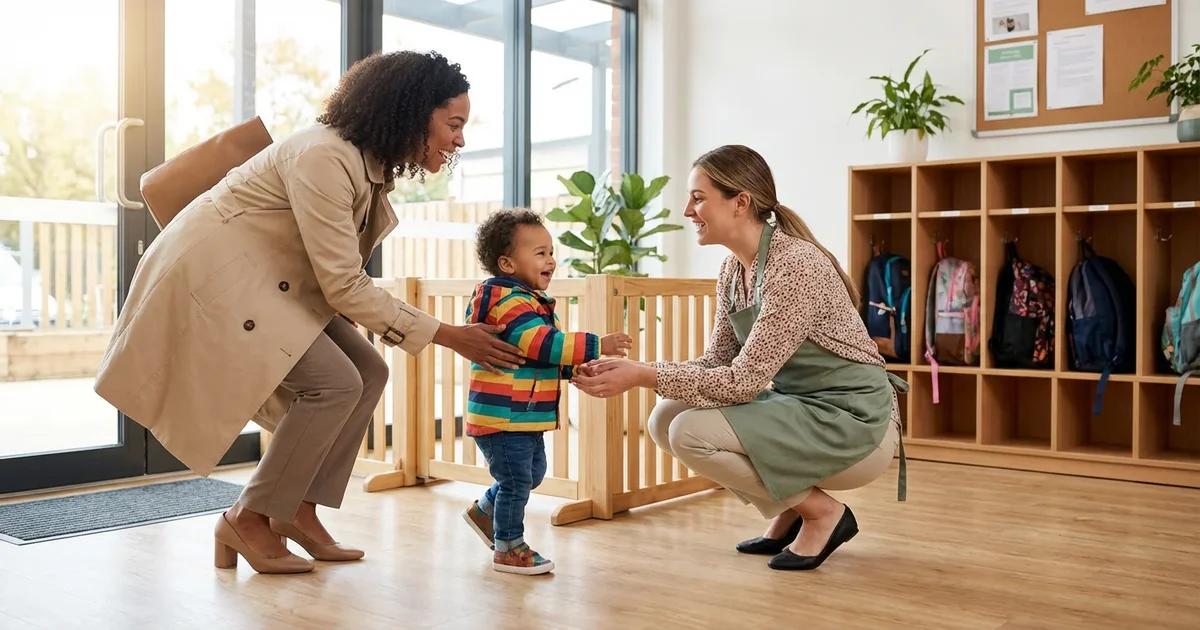
Starting preschool is a big milestone for both children and parents. For toddlers, it can mean spending time away from family, meeting new teachers, exploring an unfamiliar classroom, and learning a whole new routine. While this transition can feel overwhelming at first, a little preparation can help your child feel more comfortable, confident, and ready to learn.
If you are considering a Toddler, Preschool or Pre-K program in Queen Creek or San Tan Valley, here are seven practical ways to prepare your child for a positive preschool experience.
1. Talk About Preschool Before the First Day
Young children benefit from hearing about new experiences before they happen. Begin talking about preschool several days or weeks before your child’s start date.
Use simple, positive language to explain what preschool is and what your child might do there. You could say, “You will play with toys, listen to stories, make art, and meet your teachers.”
Avoid making promises you cannot guarantee, such as telling your child they will never feel sad. Instead, explain that their teachers will help them feel safe and that you will return to pick them up.
Reading picture books about starting school can also help toddlers understand what to expect.
2. Practice Short Separations
If your child has spent most of their time with you, being apart may take some getting used to. Before preschool begins, practice leaving your child with a trusted relative or caregiver for short periods.
Start with a brief separation and gradually increase the time as your child becomes more comfortable. Always say goodbye rather than disappearing without warning. This helps build trust and teaches your child that you leave and return.
Remember that every toddler responds differently. Some children adjust quickly, while others need more time and reassurance. Both experiences can be normal.
3. Establish a Consistent Daily Routine
One of the best ways to prepare a toddler for preschool is to establish predictable routines at home.
If possible, gradually adjust your child’s bedtime and wake-up time to match the schedule they will follow on preschool days. Practice getting dressed, eating breakfast, washing hands, and putting toys away.
You can also introduce simple transitions, such as cleaning up before moving to another activity.
According to the CDC’s guidance on routines and structure, predictable routines help children understand what to expect and can make daily life feel more manageable.
You do not need to recreate a classroom at home. Small, consistent habits are enough to help your toddler feel more prepared.
4. Encourage Independence Without Creating Pressure
Preschool provides many opportunities for children to develop independence. You can support this development at home by encouraging your toddler to try simple tasks.
Depending on their age and abilities, these might include:
-
- Washing hands with your help.
-
- Using a spoon or fork during meals.
-
- Putting toys into a basket.
-
- Taking off shoes or attempting to put them on.
-
- Communicating basic needs, such as being hungry, thirsty, or needing help.
Celebrate effort rather than expecting perfection. Toddlers are still developing coordination, communication, and self-help skills.
Your child does not need to master every task before starting preschool. A nurturing classroom should provide opportunities to practice these skills with patient guidance.
5. Help Your Child Practice Social Skills Through Play
Preschool introduces children to a group environment where they begin learning how to interact with peers, share materials, take turns, and communicate their feelings.
You can encourage these skills through everyday activities. Play alongside your child, take turns stacking blocks, read books together, or arrange a short playdate with another child.
When disagreements occur, help your toddler put feelings into words. For example, you might say, “You wanted the truck. Let’s ask if you can have a turn when your friend is finished.”
At this age, sharing and emotional regulation are developing skills, not abilities children should be expected to demonstrate perfectly. Gentle modeling and repeated practice make a difference.
6. Make Drop-Offs Short, Warm, and Predictable
The first few preschool drop-offs can be emotional. Your child may cry, cling to you, or hesitate to enter the classroom. This does not automatically mean preschool is the wrong choice.
Create a simple goodbye routine, such as a hug, a kiss, and the same reassuring phrase each morning. Keep your goodbye calm and predictable, and avoid repeatedly returning after you have said goodbye.
It is also helpful to coordinate with your child’s teachers. Ask how they support children during transitions and how they communicate with parents about adjustment.
Some children settle quickly after their parents leave; others need additional support. Look for gradual progress over time rather than expecting an effortless first day.
If distress remains intense or does not improve, work with the teachers to develop a plan tailored to your child.
7. Keep the First Weeks Positive and Flexible
Starting preschool requires energy. Your toddler is learning new routines, processing unfamiliar experiences, and interacting with new people.
During the first few weeks, consider keeping evenings relatively relaxed. Offer familiar meals, allow time for rest, and make space for quiet activities and extra connection with family.
Your child might seem tired, become more emotional than usual, or need additional reassurance at home. Stay patient while maintaining consistent boundaries and routines.
Ask open-ended questions suited to your child’s language abilities, such as “Did you play today?” or “What made you happy?” Some toddlers may not be able to describe their day in detail, so do not worry if you receive only a few words in response.
Finding the Right Toddler Preschool in Queen Creek, AZ
Preparing your child is important, but choosing a supportive preschool matters just as much. Look for caring teachers, age-appropriate activities, consistent routines, clear parent communication, and a classroom environment where young children receive individual attention.
At Grow and Learn Preschool in Queen Creek, AZ, we serve children ages 1–5 through a structured, nurturing early learning program. Our small-group approach helps children build early learning skills, develop independence, and form positive relationships while enjoying age-appropriate activities.
We understand that starting preschool is a significant step for the entire family. Our goal is to help children feel welcome, supported, and excited to explore their world.
Ready to explore preschool for your toddler? Contact Grow and Learn Preschool to schedule a tour and learn more about our programs. We would love to help your family take the next step in your child’s learning journey.
Frequently Asked Questions
It varies from child to child. Some toddlers become comfortable within days, while others need several weeks or longer. Consistent routines, supportive teachers, and predictable goodbyes can help.
Yes. Short, positive separations with trusted caregivers can help your child become familiar with the experience of being apart from you and reuniting afterward.
Your toddler does not need to know the alphabet, count independently, or be fully self-sufficient. Basic communication, emerging self-help skills, and opportunities to practice routines are helpful, but children continue developing these abilities at preschool.
Stay calm, follow a consistent goodbye routine, and communicate with the teachers. Crying can be part of the adjustment process. If distress persists or worsens, work with the school to determine what additional support may help.