
When choosing a daycare or preschool for your child, one of the most important factors parents often overlook is class size. While curriculum, location, and cost are commonly discussed, the number of children per teacher can have a huge impact on your child’s early learning experience. Small class sizes are more than just a preference—they directly influence how much individual attention your child receives, how safe they feel, and how well they develop both academically and socially.
In this article, we’ll explore why small class sizes in daycare and preschool are so important, and what benefits they bring to your child’s growth and development.
More Individualized Attention
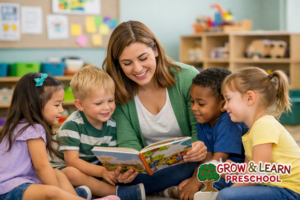
One of the biggest benefits of small class sizes is that teachers have more time to focus on each child. When there are fewer students in a classroom, your child is less likely to get “lost in the crowd.”
For example, if a teacher has only six children to supervise instead of twelve, they can:
• Spend more one-on-one time helping your child with letters, numbers, or fine motor skills.
• Quickly identify when your child needs extra support or encouragement.
• Celebrate milestones and progress in real time, boosting your child’s confidence.
This individualized attention helps children learn at their own pace, which is especially important in the early years when kids develop skills at very different rates.
At Grow and Learn Preschool and Daycare, our 1-yr old and 1.5-yr old classrooms have no more than 6 children, with 1 lead Teacher in each room and 1 assistant Teacher.
Stronger Teacher-Child Relationships
Children thrive when they feel secure and supported. In smaller classes, teachers are able to build stronger bonds with each child. They can get to know your child’s unique personality, strengths, and challenges.
These close relationships create a nurturing environment where children feel safe to explore, take risks, and make mistakes—all essential parts of learning. When a child feels understood and valued, their social and emotional development blossoms.
Improved Social Skills
At first glance, you might think larger classes give children more opportunities to make friends. However, research shows that small groups actually help children form deeper, more meaningful social connections.
In smaller classes:
• Children practice cooperation and sharing without being overwhelmed by too many peers.
• Teachers can gently guide group interactions and help resolve conflicts quickly.
• Kids are less likely to feel left out or overlooked in group activities.
This supportive environment helps your child build the social and emotional skills they’ll need for kindergarten and beyond.
Better Communication With Parents
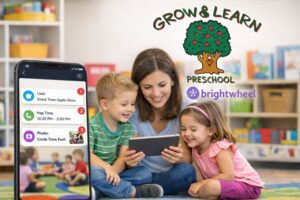
When teachers aren’t overwhelmed by large numbers of students, they can spend more time keeping parents updated. With smaller class sizes, you’re more likely to get detailed feedback about your child’s day, progress, and any areas where they may need extra support at home.
Stronger parent-teacher communication creates a true partnership in your child’s education, ensuring that learning continues beyond the classroom.
Safer and More Manageable Classrooms
Safety is always a top priority for parents, especially in daycare and preschool settings. Smaller class sizes are simply easier to manage.
Teachers can:
• Supervise playtime more effectively.
• Respond faster if a child needs help.
• Prevent accidents and conflicts before they escalate.
A lower child-to-teacher ratio ensures your child is always seen, heard, and cared for in a safe environment.
Smoother Transitions to Kindergarten
Daycare and preschool set the foundation for kindergarten success. Children in smaller classes tend to transition more smoothly because they’ve already benefited from individualized attention, stronger social skills, and a solid academic start.
Teachers in kindergarten often notice that students from smaller preschool groups are more confident, adaptable, and ready to participate.
Greater Academic Growth
Academic skills — such as early literacy, math concepts, and problem-solving — are better supported in smaller classes. Because teachers can tailor lessons to fit each child’s learning style, kids build stronger foundational skills.
Whether it’s recognizing letters, counting objects, or learning to write their name, children thrive when teachers can meet them exactly where they are.
What Parents Should Look For
When evaluating daycare or preschool options, don’t be afraid to ask about teacher-to-student ratios and class sizes. Each state has its own regulations, but many high-quality programs go above and beyond those requirements.
For infants and toddlers, smaller ratios (such as 1 teacher for every 4–5 children) are ideal. For preschoolers, a ratio of 1 teacher for every 6–8 children is generally recommended.
Final Thoughts
Choosing the right daycare or preschool is one of the most important decisions you’ll make for your child. While there are many factors to consider, small class sizes should be near the top of your list. They create an environment where your child can receive personalized attention, build strong relationships, develop critical social skills, and stay safe.
Investing in a preschool or daycare with smaller class sizes like Grow and Learn Preschool sets your child up for success—not just in school, but in life.