When parents search for the best preschool or early childhood program, they often focus on curriculum buzzwords: Montessori, Reggio Emilia, play-based, acFor many young children, preschool is their first experience learning and playing in a structured group environment. While early education introduces important academic foundations such as letters, numbers, and problem-solving, one of the most valuable benefits of preschool is social development.
Before entering kindergarten, children need to learn how to communicate, cooperate with others, and manage emotions in a classroom setting. A high-quality preschool program provides the perfect environment for developing these essential life skills.
For families looking for a quality preschool in Queen Creek, AZ, understanding how preschool builds social skills can help you see why early childhood education is so important.
Learning How to Share and Take Turns
Sharing is one of the earliest and most important social skills children learn in preschool. Young children naturally want to explore toys and activities independently, but classroom environments teach them how to interact respectfully with others.
Through structured play and guided activities, children learn to:
- Share toys and materials
- Take turns during games and activities
- Wait patiently
- Respect others’ space and belongings
These experiences help children understand fairness and cooperation, which are essential skills they will continue using throughout their school years.
Developing Communication Skills
Preschool gives children daily opportunities to practice communication with both teachers and classmates.
In a preschool classroom, children learn to:
- Express their thoughts and feelings with words
- Ask for help when needed
- Listen when others are speaking
- Participate in group discussions and activities
According to the American Academy of Pediatrics, early social interaction plays a critical role in language development and emotional growth. When children regularly interact with peers, they naturally develop stronger communication abilities.
These early experiences build confidence and help children feel more comfortable speaking in group settings when they enter kindergarten.
Building Friendships
Making friends is an exciting and important part of the preschool experience.
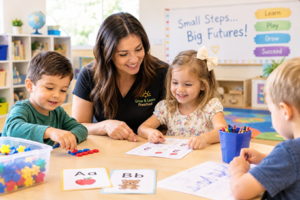
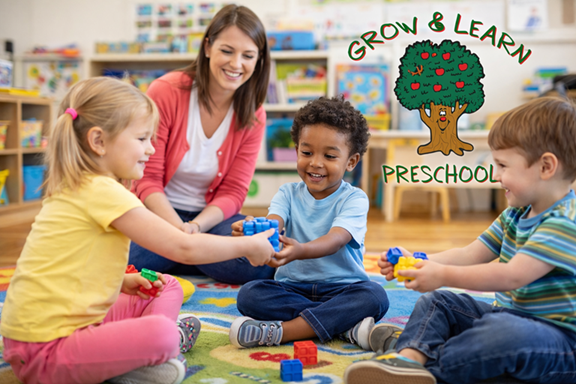
In preschool classrooms, children engage in cooperative play activities that encourage interaction and teamwork. These might include:
- Building blocks together
- Participating in group art projects
- Playing imaginative games
- Working as a team during learning activities
Through these experiences, children begin to understand how friendships work. They learn empathy, kindness, and how to include others in play.
Building early friendships also helps children feel more confident and comfortable in school environments.
Learning Emotional Regulation
Young children are still learning how to manage big emotions like frustration, excitement, or disappointment. Preschool teachers help guide children through these feelings in a supportive environment.
Preschool programs teach children how to:
- Recognize their emotions
- Express feelings appropriately
- Solve small conflicts with classmates
- Calm down when upset
Organizations such as the National Association for the Education of Young Children emphasize that emotional regulation is a key component of early childhood development.
When children learn these skills early, they are better prepared to handle challenges in kindergarten and beyond.
Practicing Cooperation and Teamwork
Many preschool activities are designed to help children work together toward a common goal.
Group activities may include:
- Storytime discussions
- Classroom clean-up routines
- Collaborative learning games
- Music and movement activities
These experiences teach children how to follow instructions, contribute to a group, and support others. Cooperation becomes a natural part of their daily routine.
Learning teamwork early makes the transition to kindergarten much smoother.
Building Confidence and Independence
Preschool also helps children gain independence in a safe and supportive environment.
Simple routines such as:
- choosing activities
- putting away toys
- washing hands
- following classroom schedules
help children develop confidence in their abilities.
When children feel confident socially and emotionally, they are more likely to participate in classroom activities and build positive relationships with teachers and peers.
Preparing Children for Kindergarten Success
Kindergarten classrooms require children to interact with many classmates, follow group routines, and participate in structured learning activities.
Children who attend preschool often enter kindergarten with stronger:
- communication skills
- emotional regulation
- confidence in social situations
- ability to follow instructions
These skills help children adapt quickly to their new classroom environment and focus on learning.
Supporting Social Development at Grow and Learn Preschool
At Grow and Learn Preschool in Queen Creek, AZ, we understand that social development is just as important as academic readiness.
Our preschool environment encourages:
- positive friendships
- cooperative play
- respectful communication
- emotional growth
With small class sizes and caring teachers, children receive the guidance they need to build strong social skills while developing a lifelong love of learning.
Schedule a Tour
If you are looking for a nurturing Queen Creek preschool where your child can grow socially, emotionally, and academically, Grow and Learn Preschool would love to meet your family. Contact us today to schedule a tour and learn more about our preschool programs.