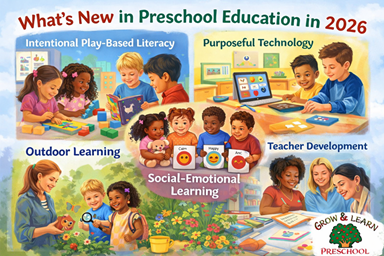
As early childhood education continues to evolve, 2026 brings a wave of fresh ideas and refinements to preschool teaching and learning. From heightened focus on intentional play to smarter use of classroom technology and deeper commitment to emotional development, trends this year reflect both emerging research and real-world needs. In this article, we’ll break down the most important developments in preschool education that parents and educators should know — backed by current insights and educational research.
Intentional Play Meets Structured Learning
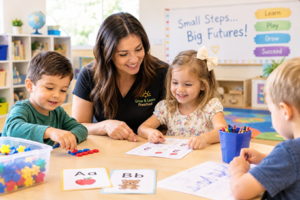
One of the biggest shifts in 2026 is how preschool programs balance playful exploration with recognizable early academic foundations. Instead of unfocused free play or rigid academics, top programs are blending the two through play-based learning that also targets literacy and numeracy goals. Structured interactions like guided storytelling, sound awareness games, and counting through play help children build early reading and math skills while still honoring child-led discovery.
This trend reflects broader curricular innovation that intentionally blends play and early academics in ways research suggests supports deep learning without sacrificing developmental appropriateness.
Smart & Purposeful Technology Integration
In 2026, technology isn’t about more screen time — it’s about quality tech that enhances learning. Educators are selecting tools that support instructional goals rather than replace human interaction. Tablets, interactive whiteboards, and adaptive apps are now embedded in activities that cultivate language, problem-solving, and collaboration when paired with teacher guidance.
The emphasis is on developmentally-appropriate technology use, where digital tools serve as partners to hands-on learning—not substitutes for traditional play or social interaction.
Social-Emotional Learning at the Core
Social-emotional learning (SEL) has become a fundamental priority in preschool education this year. Rather than an add-on, SEL is being woven into daily routines through intentional activities that help children identify emotions, regulate behavior, and navigate social interactions. Programs use storytime discussions, emotion-labeling games, and cooperative projects to build empathy and self-control—skills that research shows are as essential as early literacy for lifelong success.
These practices are not only developmentally beneficial, they also prepare children for the social demands of kindergarten and beyond.
Outdoor & Nature-Based Learning Gets Scheduled Time
In 2026, outdoor learning is no longer treated as optional recess — it’s scheduled and intentional. Schools are creating nature-rich learning blocks where children explore plants, observe insects, and participate in sensory outdoor activities that build both physical and cognitive skills. These experiences support motor development, focus, and emotional regulation — especially for young learners who benefit from movement and exploration.
Outdoor learning also appeals to parents seeking wholesome, low-tech experiences that reinforce curiosity in real-world settings.
Inclusion & Diversity in Classroom Practices
Today’s preschool classrooms are more intentional about inclusion, supporting children of diverse backgrounds and needs. Play contexts are being used not just for fun, but also as tools for inclusive practices that help children of varying abilities learn together. Research shows that when play is leveraged thoughtfully, it provides equitable opportunities for all children to engage, communicate, and build relationships in developmentally supportive ways.
These inclusive practices extend beyond curriculum—they inform physical space design, teacher training, and communication with families.
Focus on Teacher Capacity & Professional Growth
Another trend in 2026 is investment in teacher development. With growing recognition of how critical early childhood educators are to long-term learning outcomes, programs are increasing professional learning opportunities, coaching, and collaboration time. Supporting teachers with up-to-date strategies not only improves instruction but also reduces burnout and strengthens retention — a priority for centers facing staffing challenges.
This focus on workforce quality reflects a broader global commitment to improving early childhood systems.
Data & Assessment That Respects Childhood Development
Finally, early education in 2026 is moving toward balanced and respectful assessment. Rather than formal testing, teachers are using observation tools and child portfolios that reflect progress in language, problem-solving, and social behavior. These methods honor natural developmental trajectories while giving educators and families meaningful insights into growth.
What This Means for Parents & Educators
Preschool in 2026 is more intentional, evidence-based, and child-centered than ever. By blending play with structured literacy, incorporating purposeful technology, valuing outdoor exploration, embedding SEL, and supporting inclusive practices, early learning is evolving to support the whole child. Whether you’re a parent choosing a program or an educator refining your practice, these trends highlight what quality preschool education looks like in today’s context.
Staying informed about these shifts helps families ask informed questions and ensures educators continue creating environments where young learners thrive.